
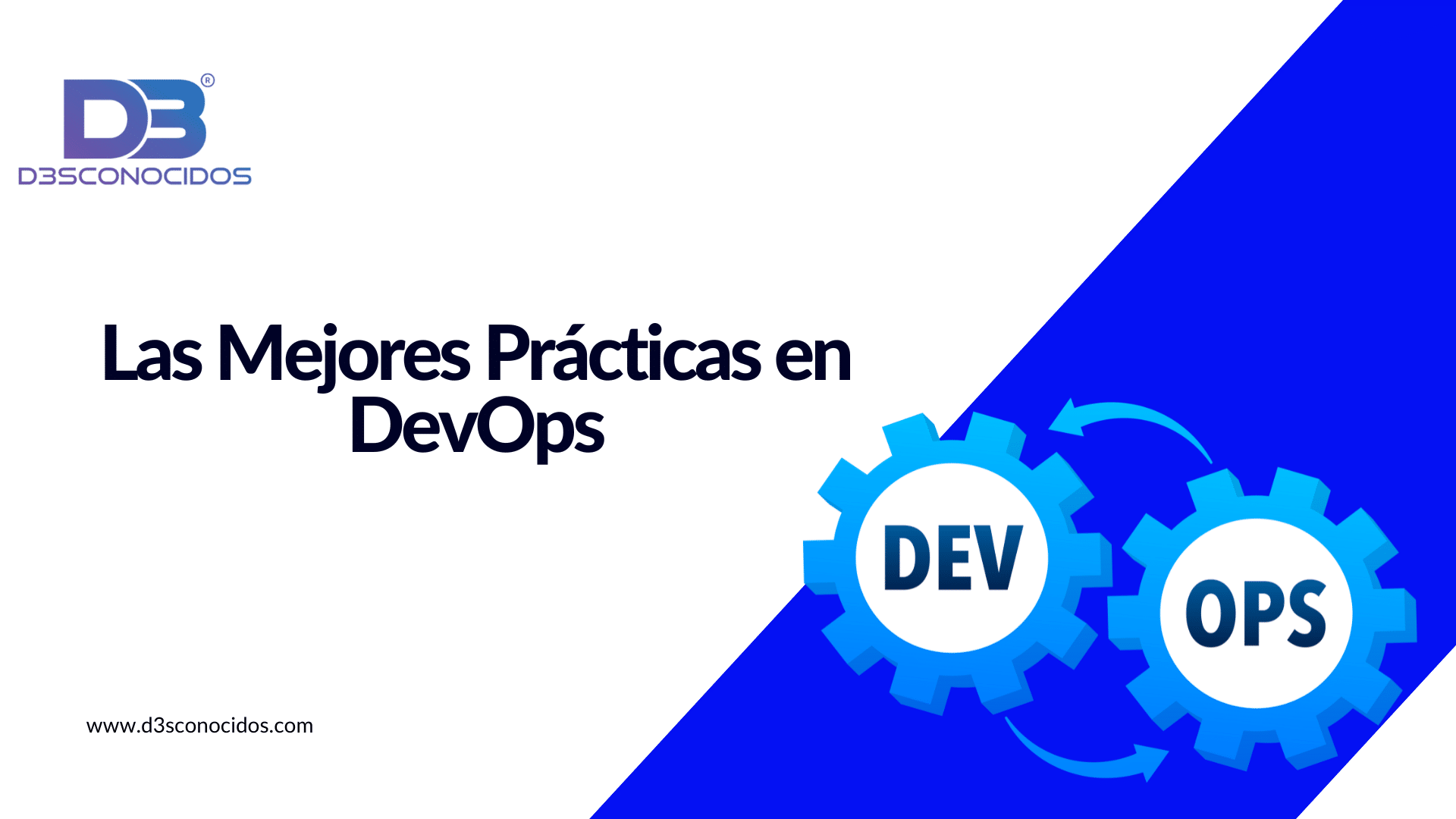
In the world of software development, efficiency and collaboration are two fundamental pillars. This is where DevOps comes in, merging development (Dev) and operations (Ops) to improve agility and quality in software lifecycles. This approach not only accelerates the delivery process but also fosters a culture of continuous collaboration. In this article, we will explore the best DevOps practices that can transform the software development lifecycle in your organization.
Continuous Integration and Continuous Delivery (CI/CD)
One of the cornerstones of DevOps is Continuous Integration (CI) and Continuous Delivery (CD). CI refers to the process of automatically integrating developers' code into a centralized repository, where automated tests are run. CD is the next step, where the tested code is automatically deployed to the production environment. These practices allow errors to be detected and corrected quickly, ensuring a constant flow of improvements and updates to the product.
Automate Everything
Automation is vital in DevOps. Automate everything you can: from testing, integration, and deployment to monitoring and feedback. Automation not only saves time and reduces manual errors, but also allows teams to focus on higher-value tasks.
Continuous Monitoring and Logging
To ensure optimal performance and rapid problem resolution, it is crucial to implement a real-time monitoring and logging system. This provides a clear view of system health and allows for quick responses to any incident.
Culture of Collaboration and Communication
DevOps is not just a methodology — it is also a culture. Fostering a work environment where communication and collaboration are the norm is essential. Development and operations teams must work as a unit, sharing responsibilities and common objectives.
Continuous Feedback and Constant Improvement
Continuous feedback is a pillar of DevOps. Teams should actively seek comments and constructive criticism, and use them to continuously improve their processes and tools.
Focus on Code Quality
Maintaining high standards of code quality is fundamental. This includes practices such as code reviews, static and dynamic code testing, and the adoption of coding standards.
Efficient Configuration Management
Efficient configuration management ensures that all software environments, from development to production, are consistent. This minimizes errors caused by configuration differences.
Adopting DevOps best practices is not just about implementing new tools and processes — it is also about embracing a new culture that values collaboration, automation, and continuous improvement. By integrating these practices, organizations can significantly improve the efficiency, quality, and speed of their development and operations processes. Ultimately, DevOps is about building a bridge between development and operations to deliver higher-quality products, faster and more efficiently. We invite you to explore our DevOps course and take your knowledge to the next level.